Greek and Roman Art
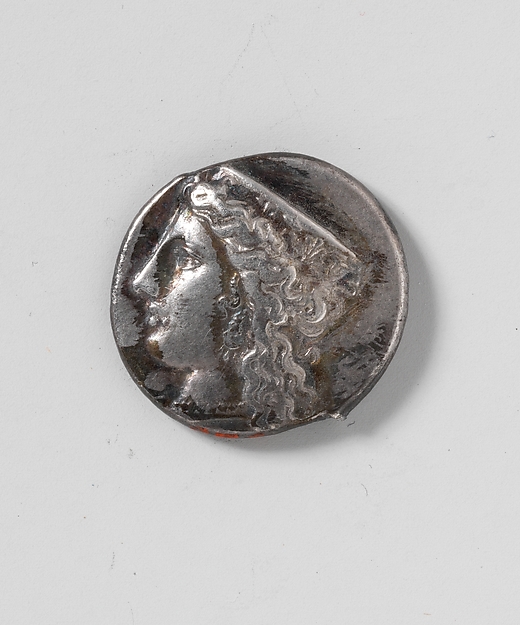
Painter of the Louvre Centauromachy
ca. 440 BCE

Greek and Roman Art
3 Terracotta female figures
ca. 1400–1300 BCE
Greek and Roman Art
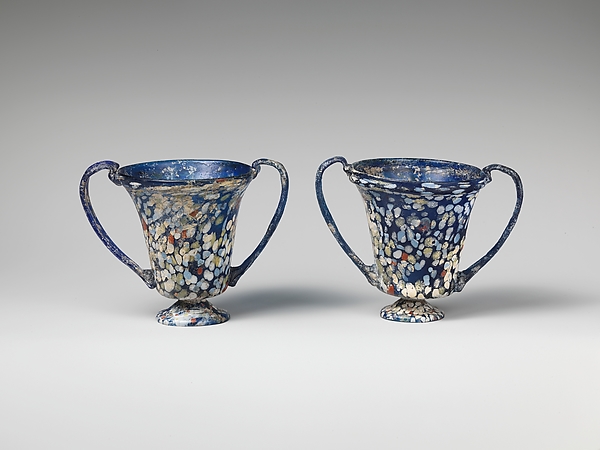
A pair of glass drinking cups
1st century CE
Greek and Roman Art
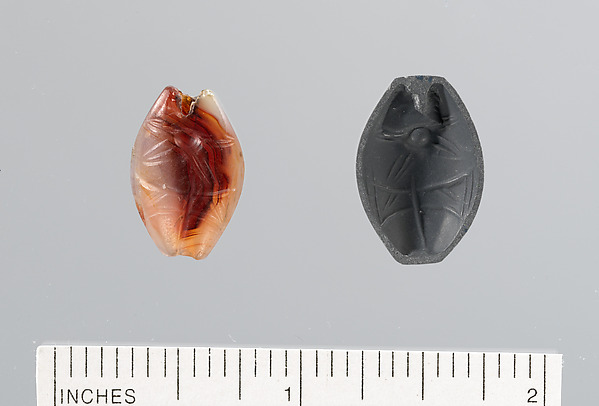
Agate Amygdaloid
ca. 1650–1500 BCE
Greek and Roman Art
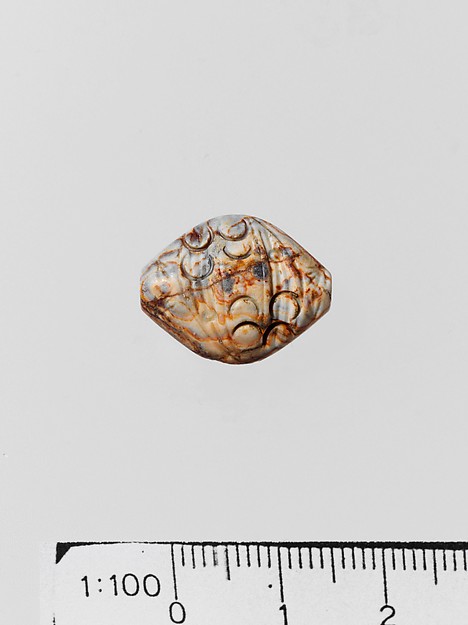
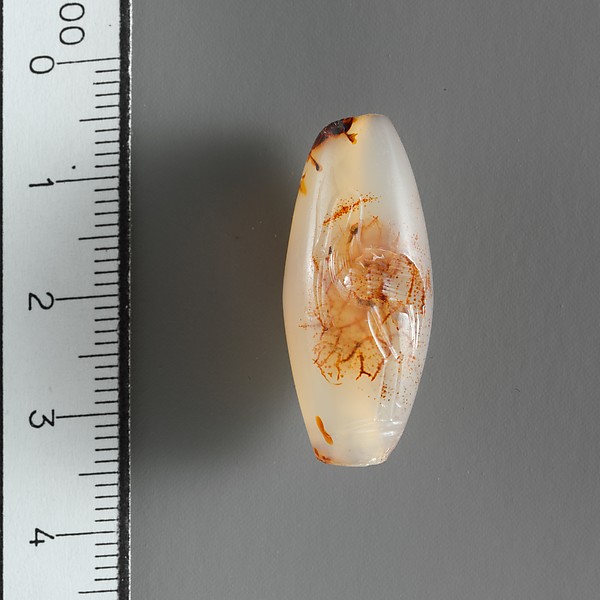
Agate amygdaloid seal
ca. 1700–1450 BCE
Greek and Roman Art
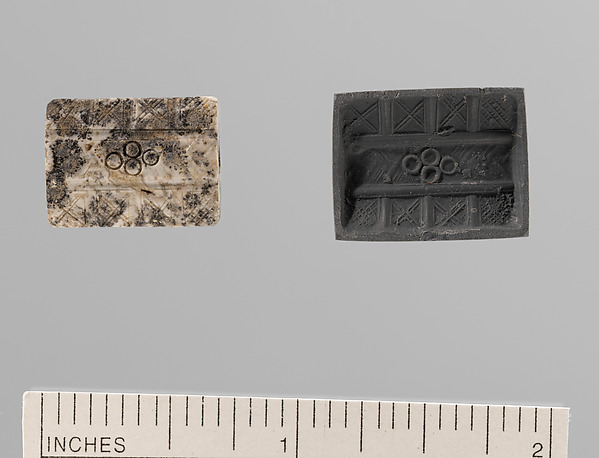
Agate barrel
2nd half of the 5th century BCE
Greek and Roman Art
Agate Cushion
ca. 1700–1600 BCE
Greek and Roman Art
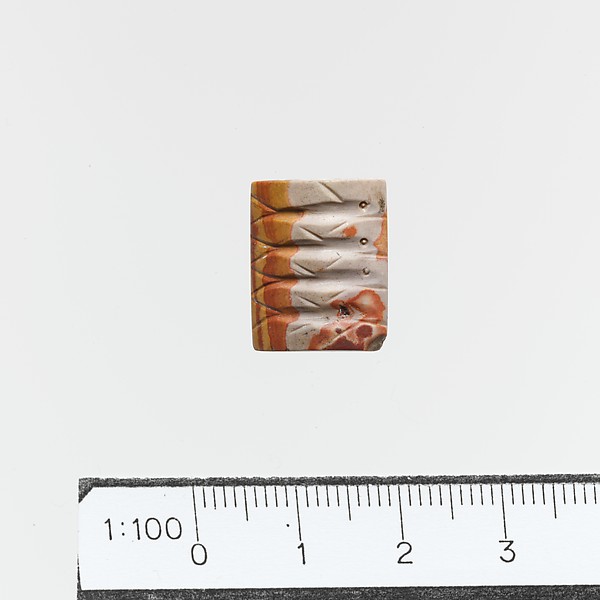
Agate cushion-shaped seal
ca. 1750–1525 BCE
Greek and Roman Art
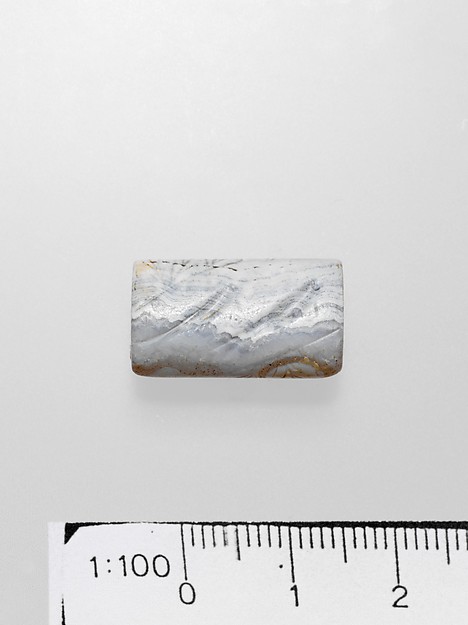
Agate flattened cylinder seal
ca. 1750–1450 BCE
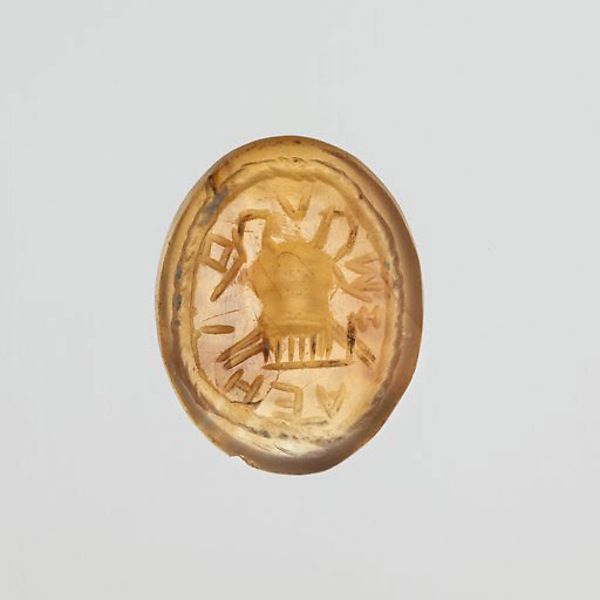
Greek and Roman Art
Agate intaglio: Uterine symbol
2nd century CE

Greek and Roman Art
Agate Lentoid
ca. 1500–1450 BCE
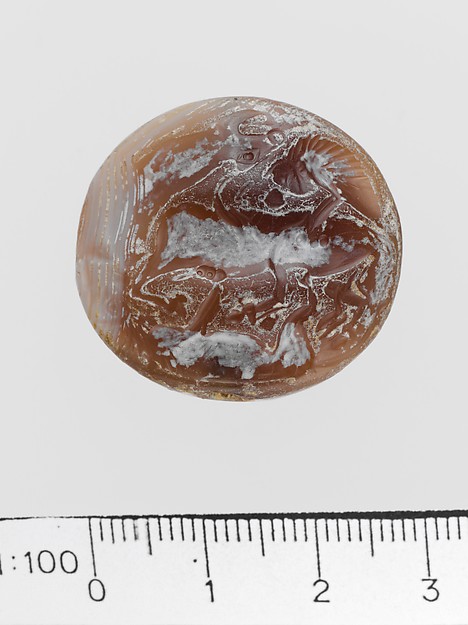
Greek and Roman Art
Agate lentoid seal
ca. 1700–1450 BCE
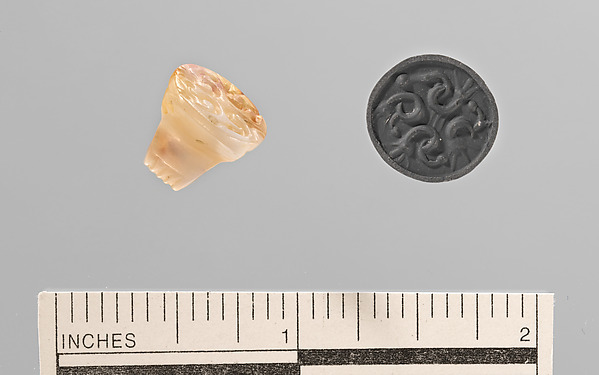
Greek and Roman Art
Agate Loop-handled Signet
ca. 1800–1700 BCE
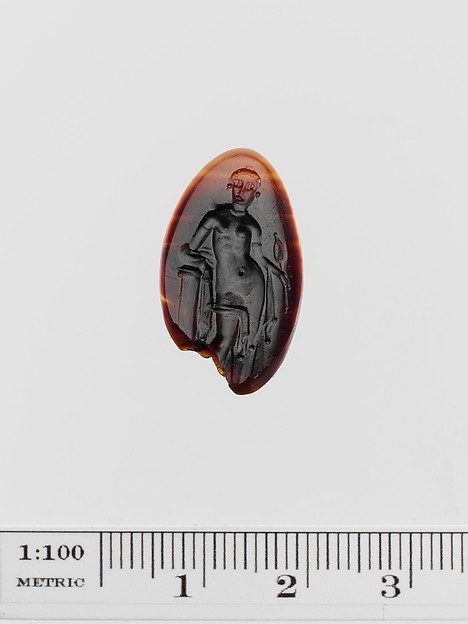
Greek and Roman Art
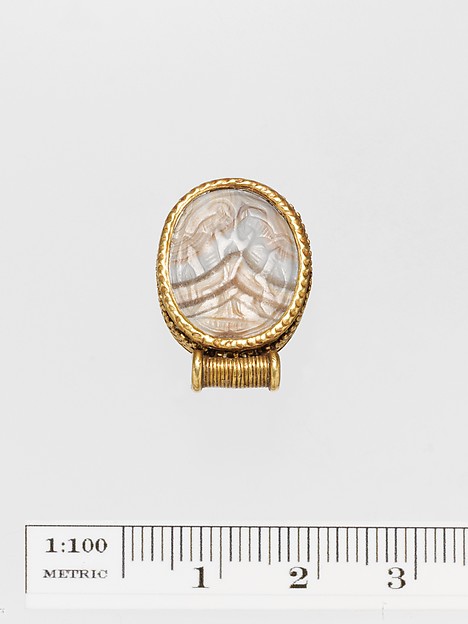
Agate oval gem
3rd–2nd century BCE
Greek and Roman Art
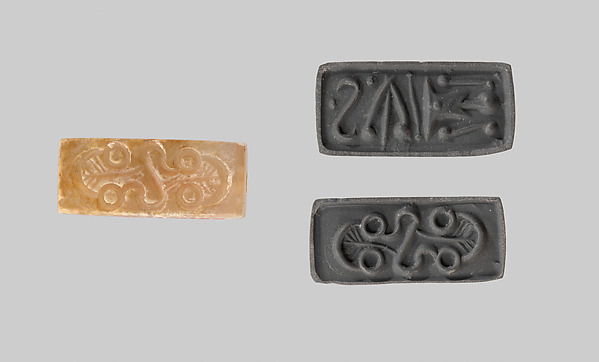
Agate oval seal
6th century BCE
Greek and Roman Art
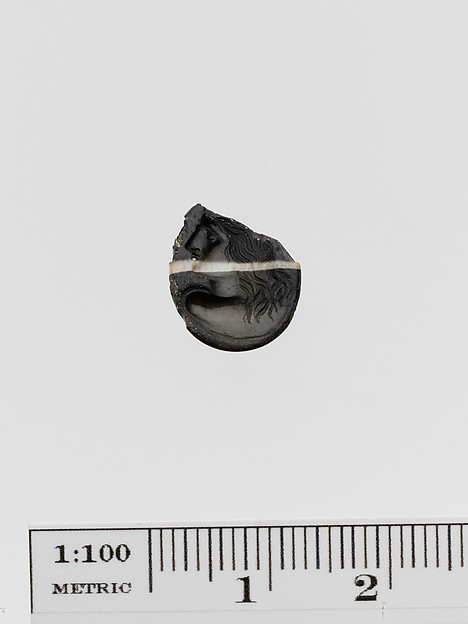
Agate Rectangular Prism
ca. 1800–1700 BCE
Greek and Roman Art
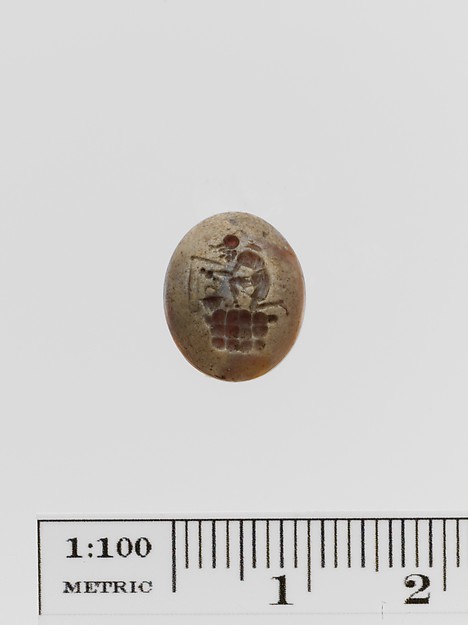
Agate ring stone
ca. 3rd–2nd century BCE
Greek and Roman Art
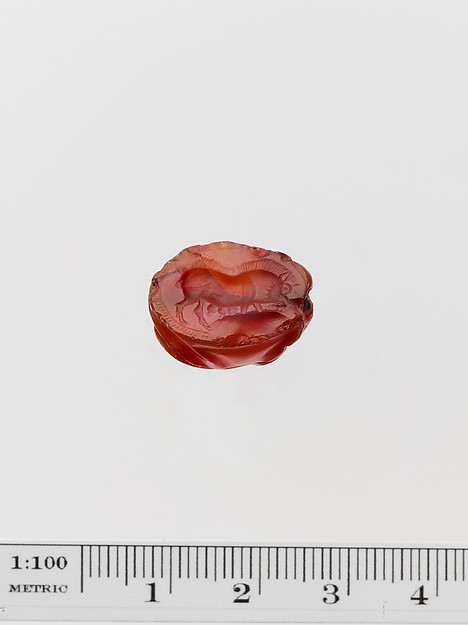
Agate ring stone intaglio: fisherman
3rd–2nd century BCE or 1st century CE
Greek and Roman Art
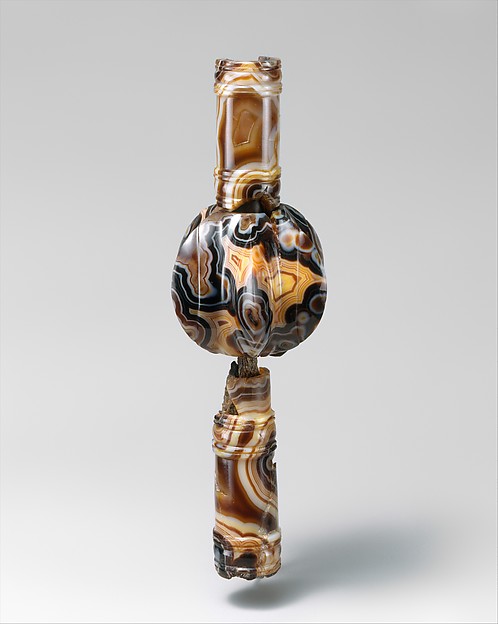
Agate scarab
late 4th century BCE
Greek and Roman Art
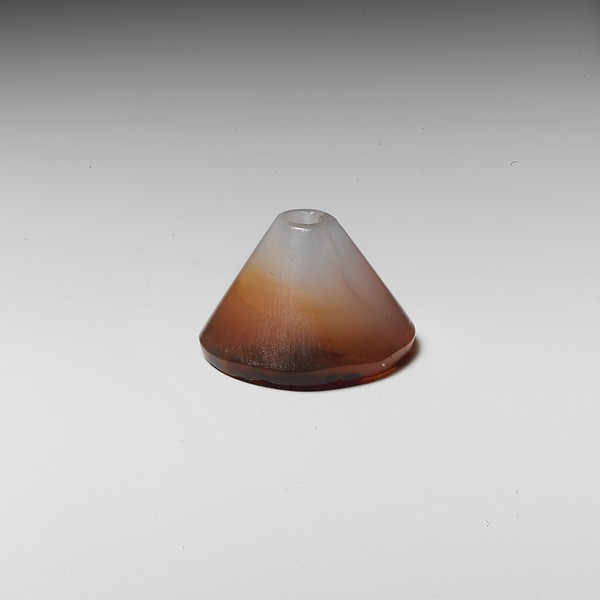
Agate scepter head
ca. 950 BCE
Greek and Roman Art
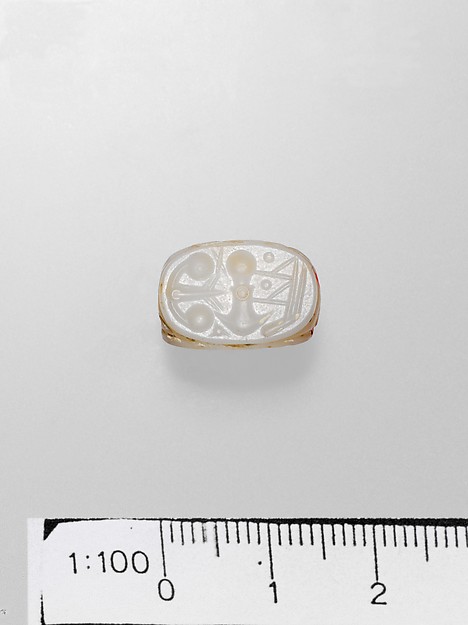
Agate spindle whorl
ca. 2200–1450 BCE
Greek and Roman Art
Agate Triangular Prism
ca. 1900–1600 BCE
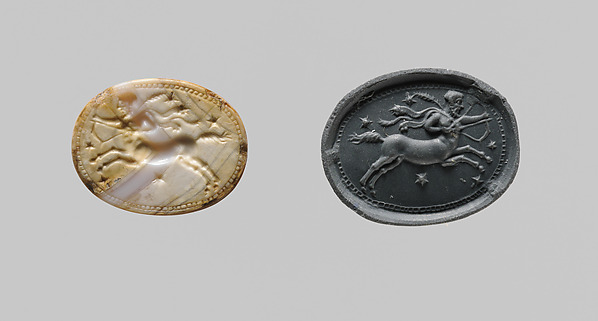
Greek and Roman Art
Agate, perhaps trimmed scarab
ca. 460–450 BCE
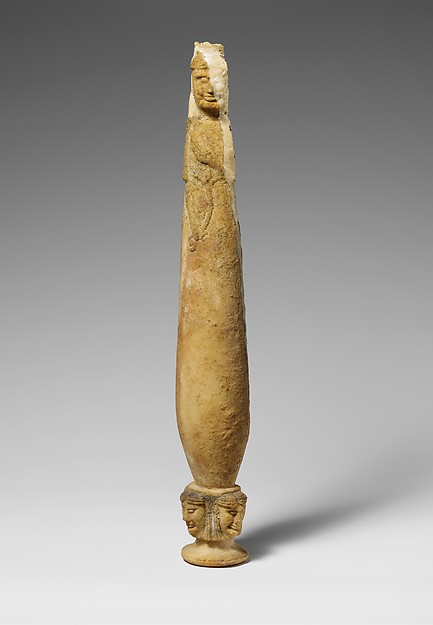
Greek and Roman Art
Alabaster alabastron (perfume vase)
early 6th century BCE
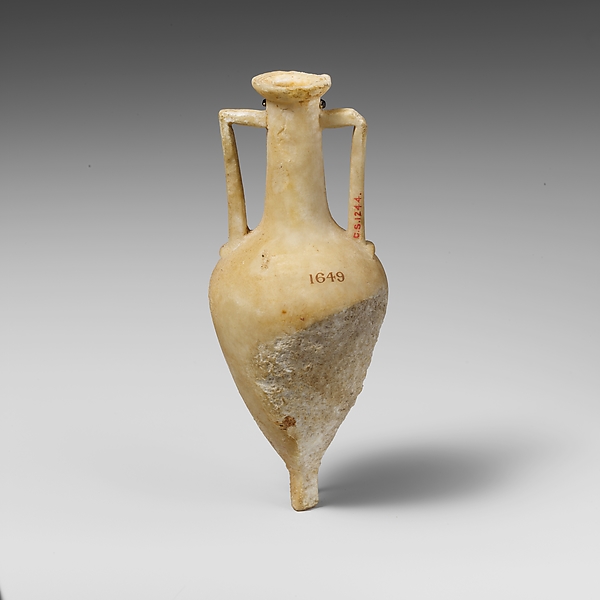
Greek and Roman Art
Alabaster amphoriskos (small flask)
310–30 BCE
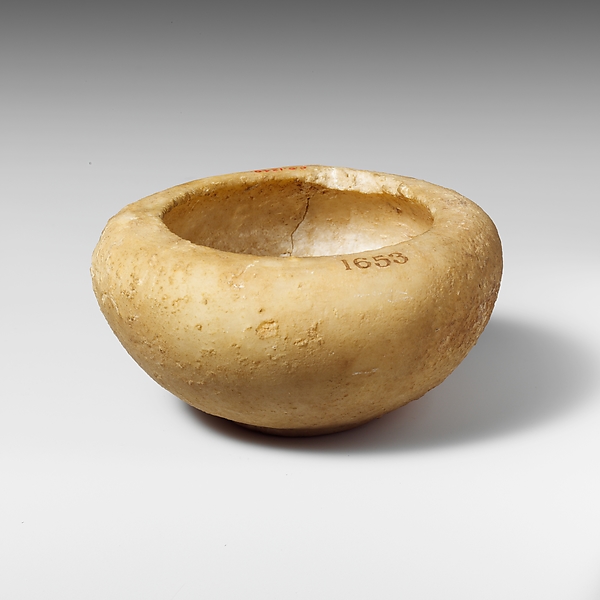
Greek and Roman Art
Alabaster bowl
ca. 2000–1800 BCE
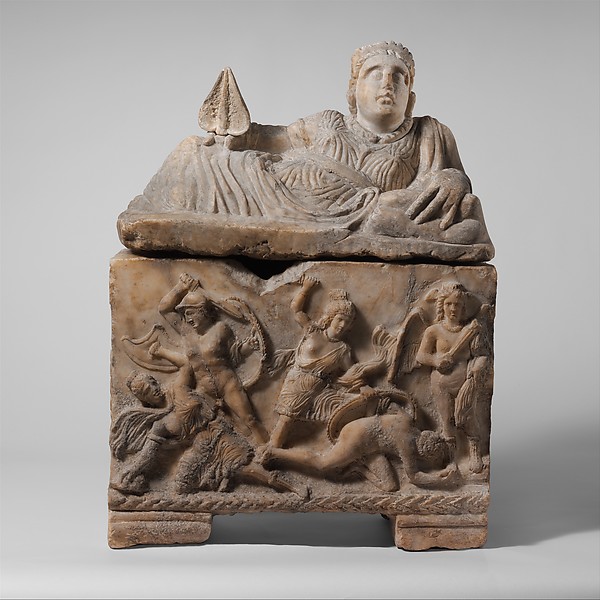
Greek and Roman Art
Alabaster cinerary urn
3rd century BCE
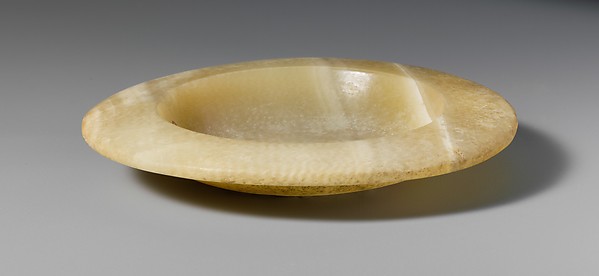
Greek and Roman Art
Alabaster dish
4th century BCE ?
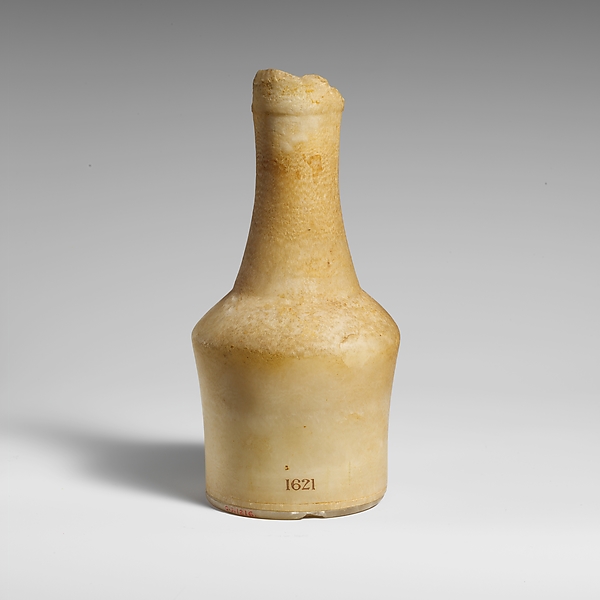
Greek and Roman Art
Alabaster flask
late 4th–3rd century BCE
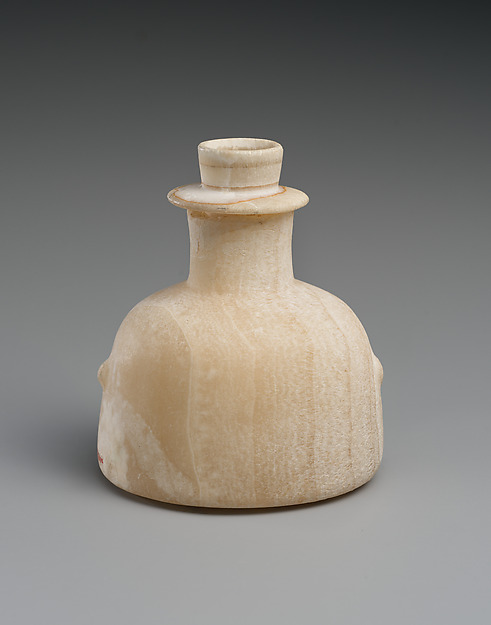
Greek and Roman Art
Alabaster flask with stopper
2nd–early 1st century BCE
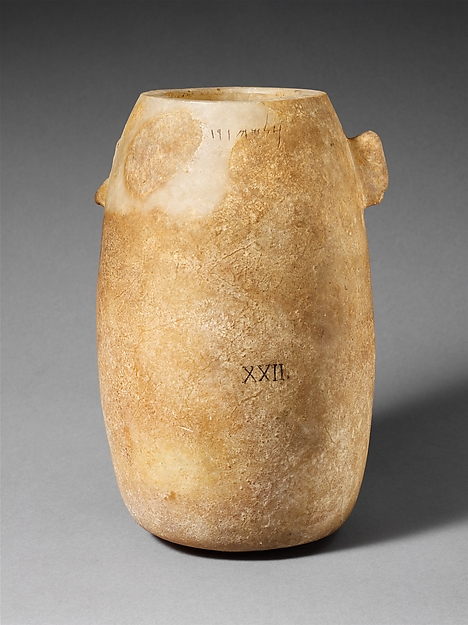
Greek and Roman Art
Alabaster inscribed "alabastron"
4th century BCE ?
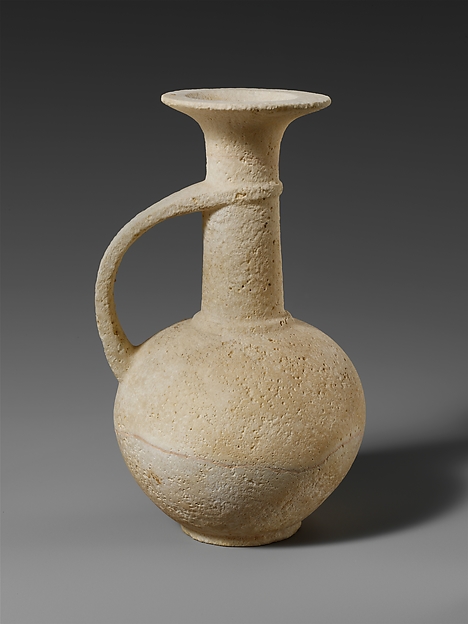
Greek and Roman Art
Alabaster jug
ca. 1450–1200 BCE
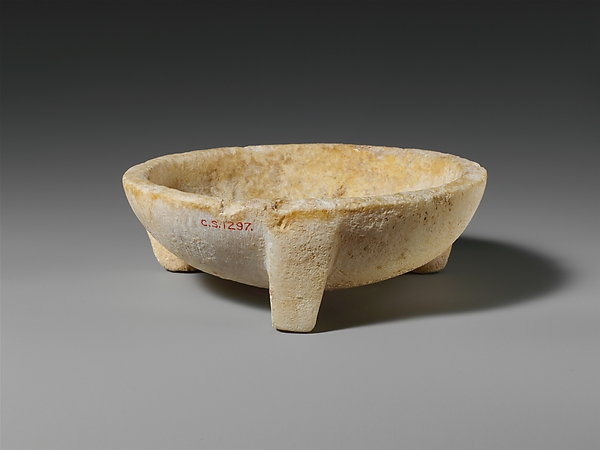
Greek and Roman Art
Alabaster mortar
ca. 1200–1050 BCE
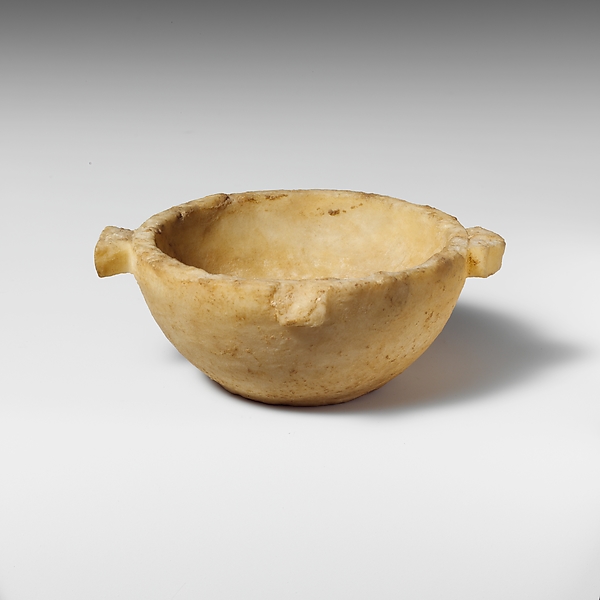
Greek and Roman Art
Alabaster mortar or deep bowl
ca. 1600–1050 BCE (?)
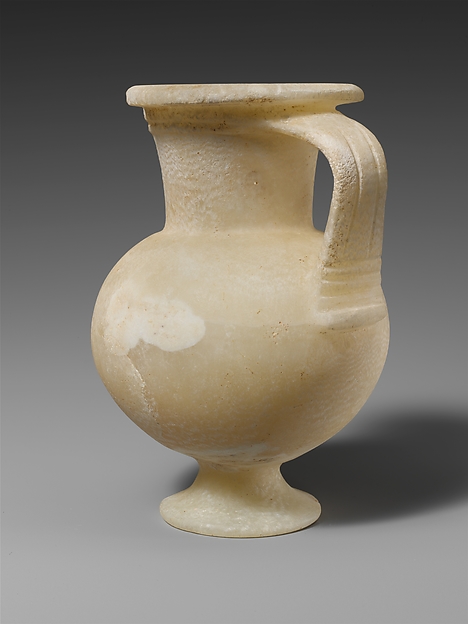
Greek and Roman Art
Alabaster one-handled jug
ca. 1600–1050 BCE
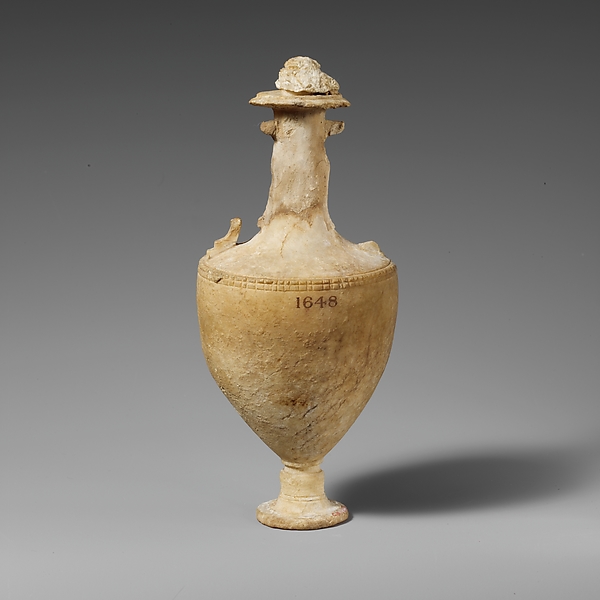
Greek and Roman Art
Alabaster or loutrophoros (jar for storage or water)
2nd half of the 4th–3rd century BCE
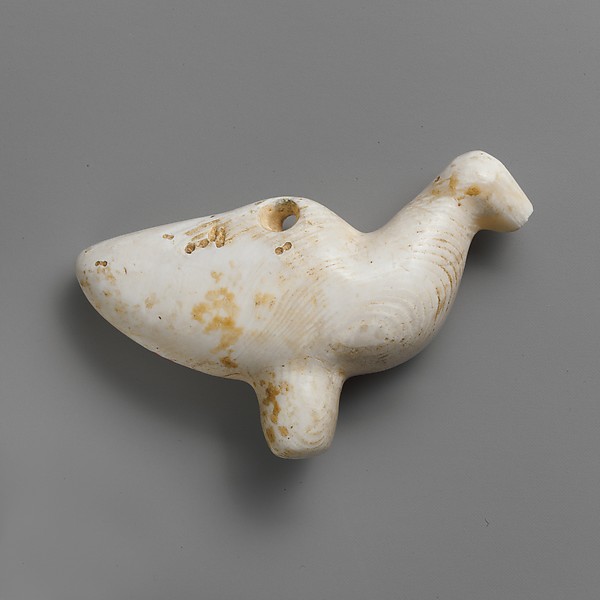
Greek and Roman Art
Alabaster pendant in the form of a bird
ca. 2900–2200 BCE
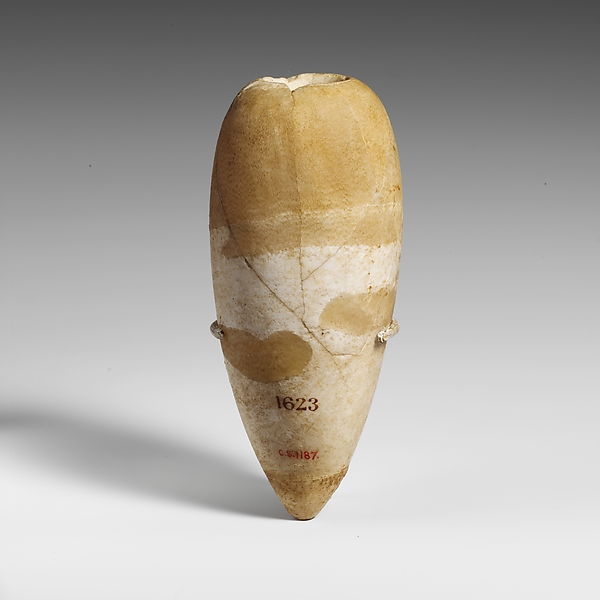
Greek and Roman Art
Alabaster pointed alabastron
ca. 1600–1050 BCE
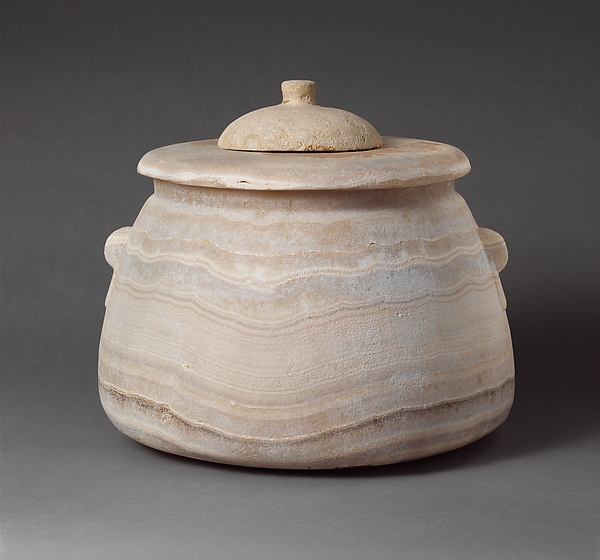
Greek and Roman Art
Alabaster pyxis (lidded jar)
ca. 5th–4th century BCE ?
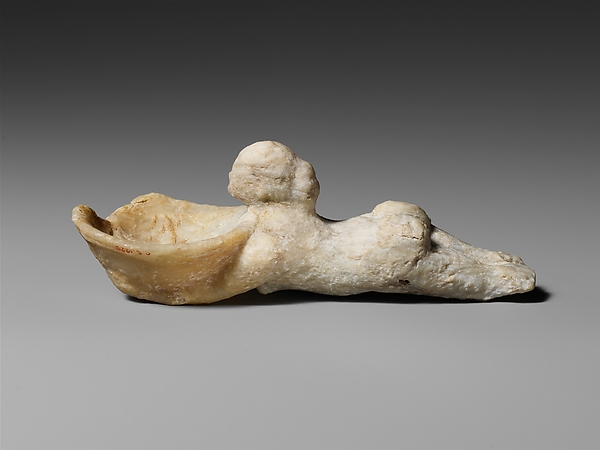
Greek and Roman Art
Alabaster spoon or ladle
1200–1050 BCE
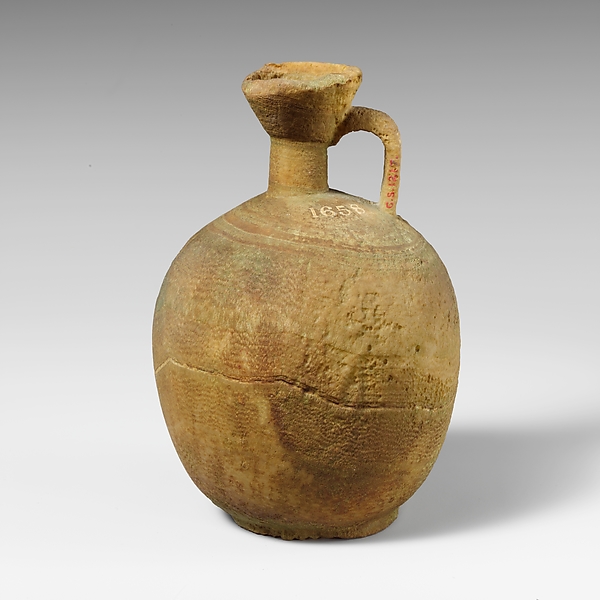
Greek and Roman Art
Alabaster squat lekythos
5th–3rd century BCE
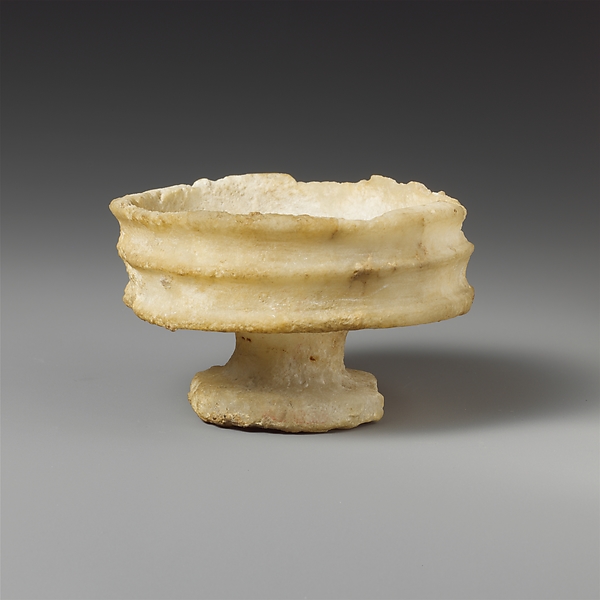
Greek and Roman Art
Alabaster stemmed bowl
ca. 1600–1200 BCE
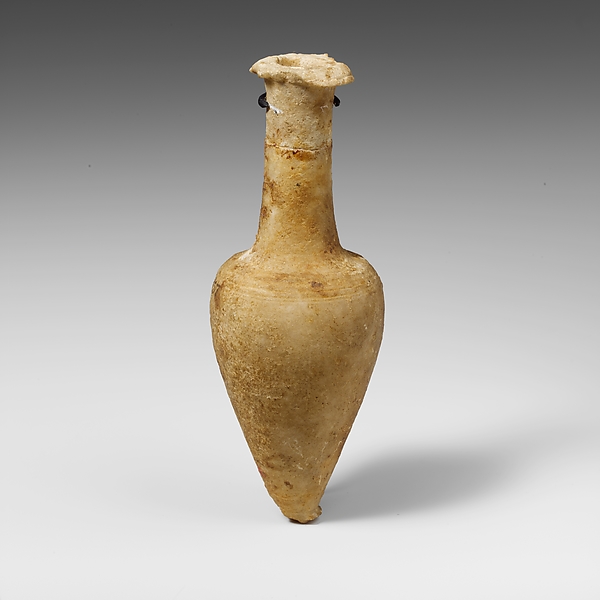
Greek and Roman Art
Alabaster unguentarium
late 4th–3rd century BCE
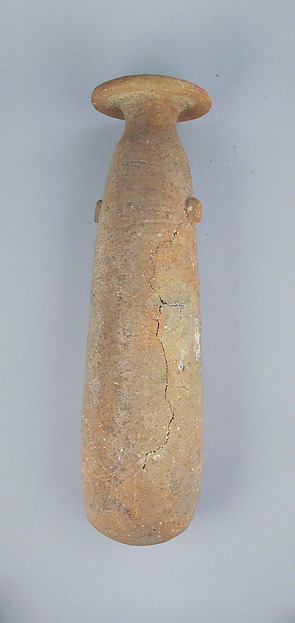
Greek and Roman Art
Alabastron
Bulas Group
early 4th century BCE
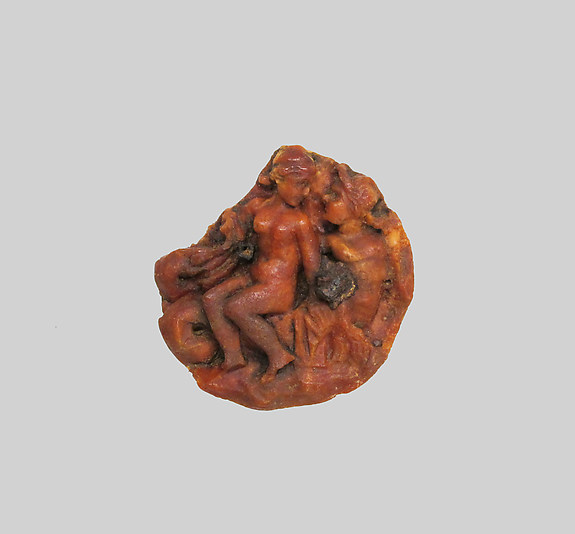
Greek and Roman Art
Amber disk with a nereid riding a triton
ca. 1st–early 2nd century CE
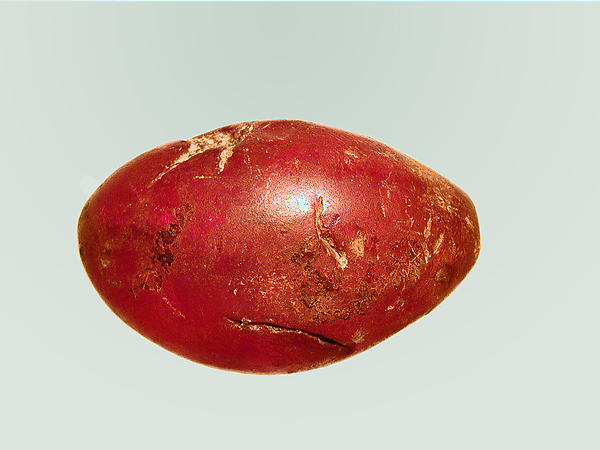
Greek and Roman Art
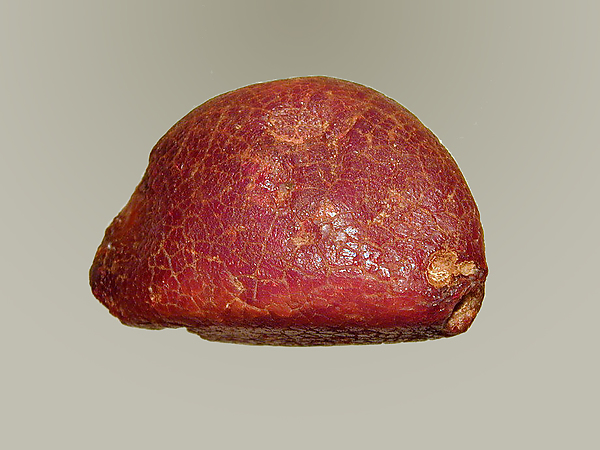
Amber from bow of a bronze fibula (safety pin)
7th–6th century BCE
Greek and Roman Art
Amber from bow of a fibula (safety pin)
7th–6th century BCE
Greek and Roman Art
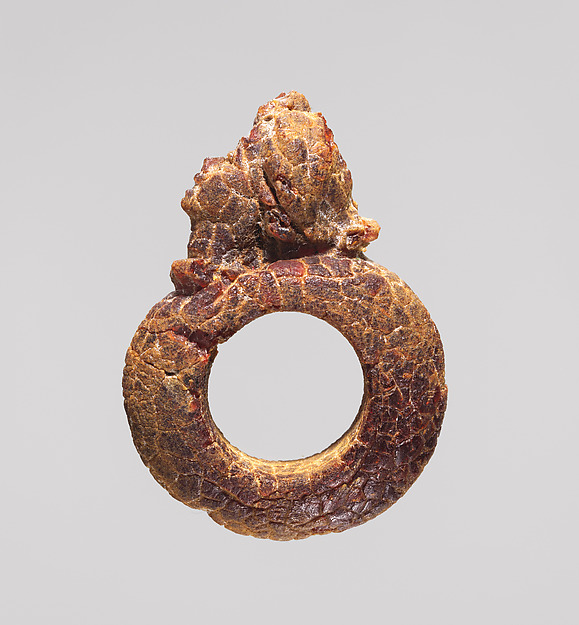
Amber from bow of a fibula (safety pin) and additional element
7th–6th century BCE
Greek and Roman Art
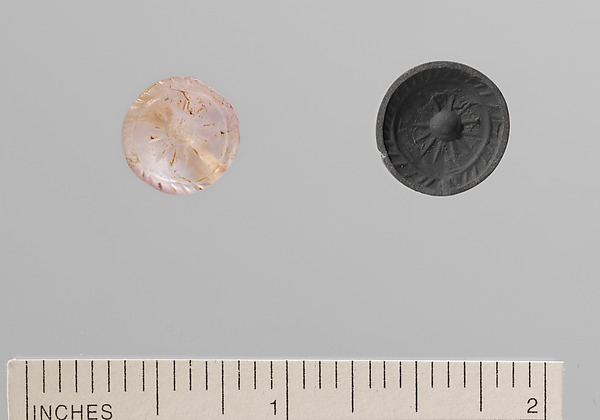
Amber ring
late 1st–mid-2nd century CE
Greek and Roman Art
Amethyst Discoid
ca. 1750–1600 BCE
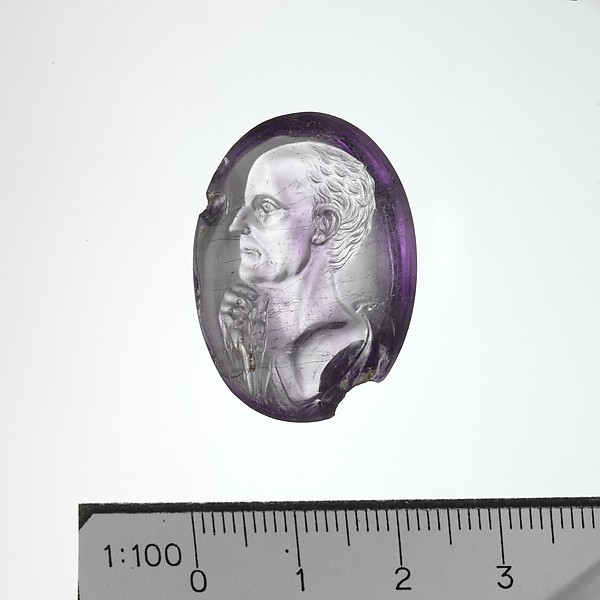
Greek and Roman Art
Amethyst intaglio portrait of a man
ca. 50–40 BCE
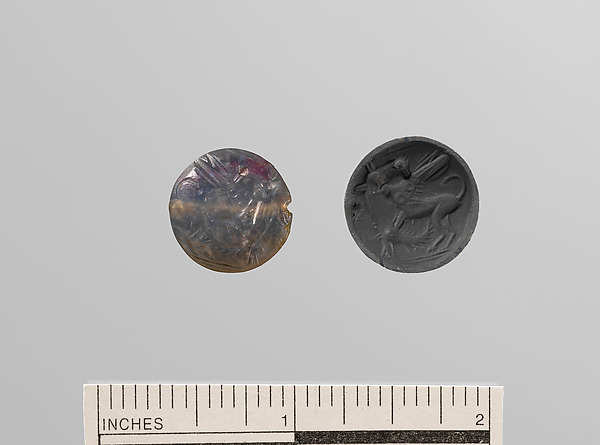
Greek and Roman Art
Amethyst lentoid
ca. 1600–1500 BCE
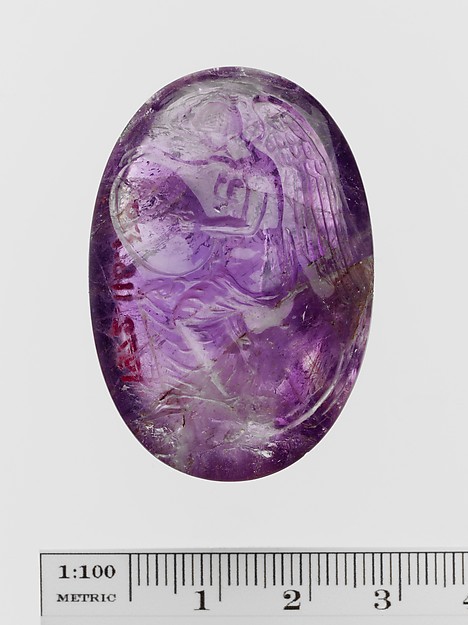
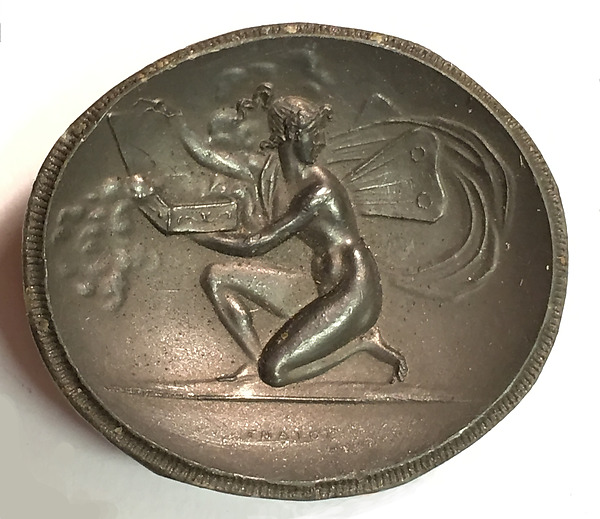
Greek and Roman Art
Amethyst oval
1st century BCE–1st century CE
Greek and Roman Art
Amethyst ring stone
ca. 1st–2nd century CE
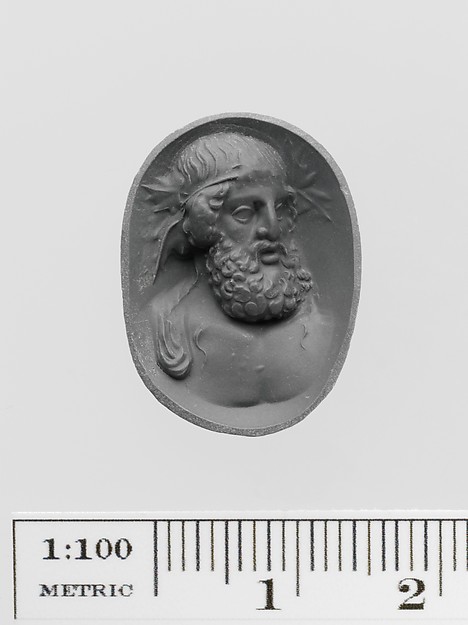
Greek and Roman Art
Amethyst ring stone with a bust of Dionysos
1st–2nd century CE
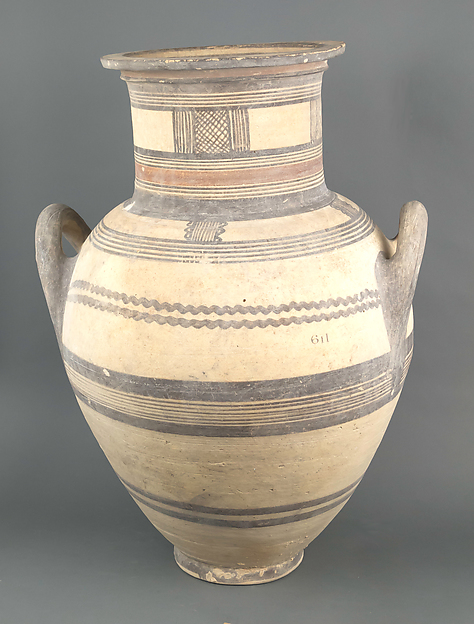
Greek and Roman Art
Amphora
middle of the 6th century BCE
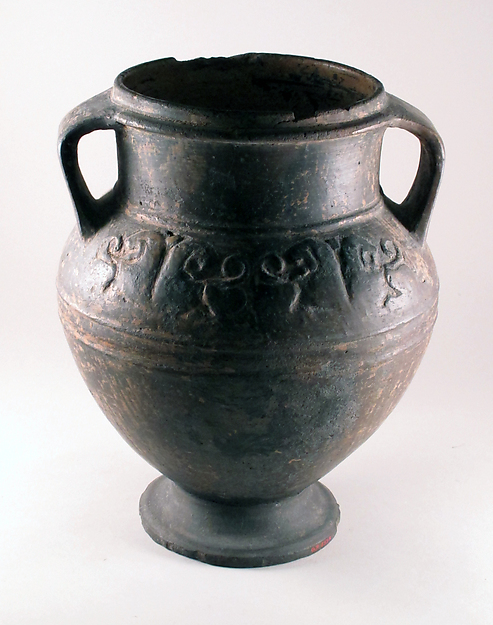
Greek and Roman Art
Amphora with lid
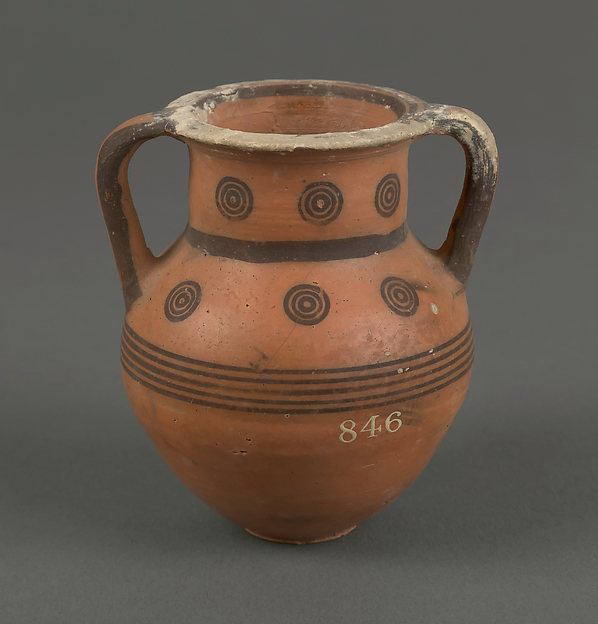
Greek and Roman Art
Amphora, miniature
end of 7th–early 6th century BCE
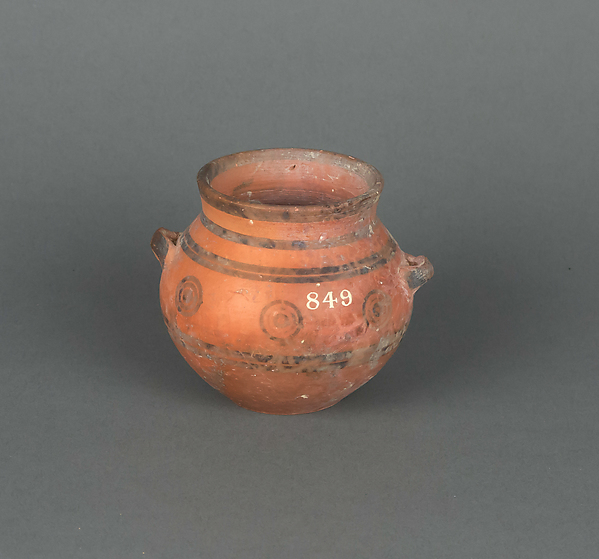
Greek and Roman Art
Amphoriskos
ca. 850–750 BCE
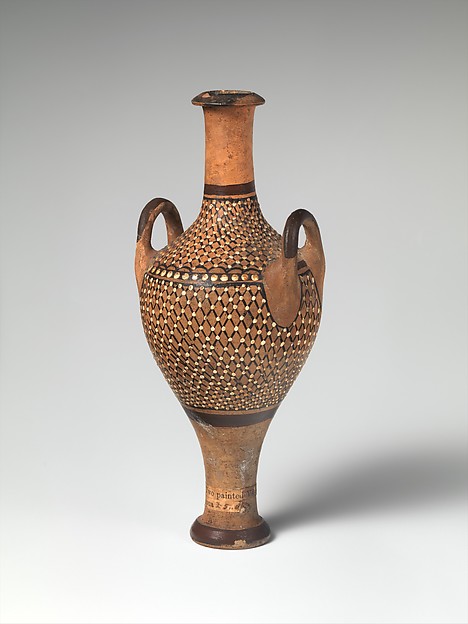
Greek and Roman Art
Amphoriskos (oil flask)
ca. 340–320 BCE
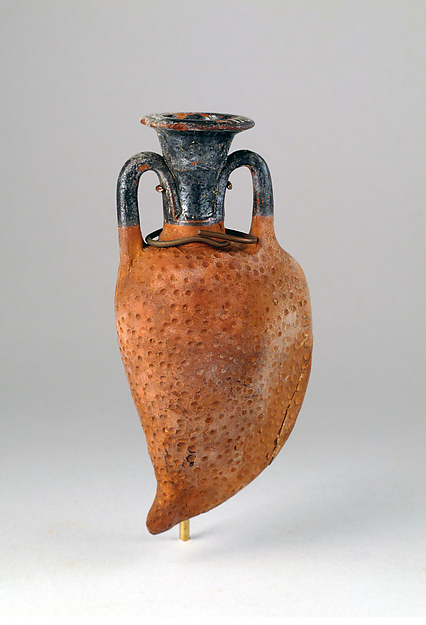
Greek and Roman Art
Amphoriskos in the form of an almond
ca. 400 BCE
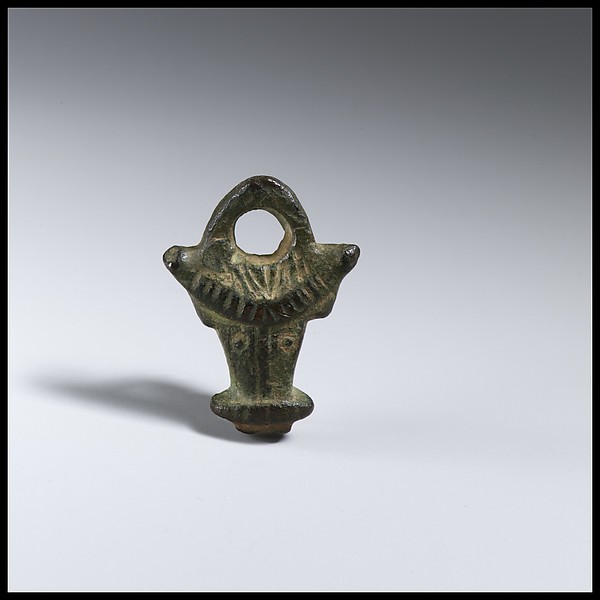
Greek and Roman Art
Amulet
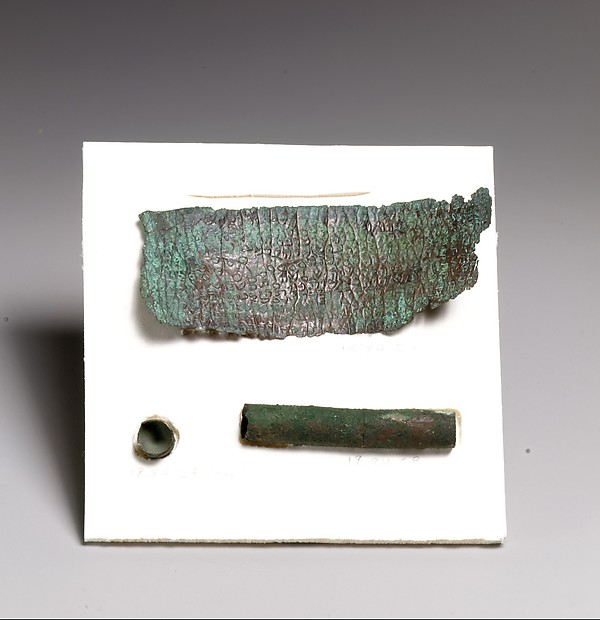
Greek and Roman Art
Amulet in the form of an inscribed bronze sheet
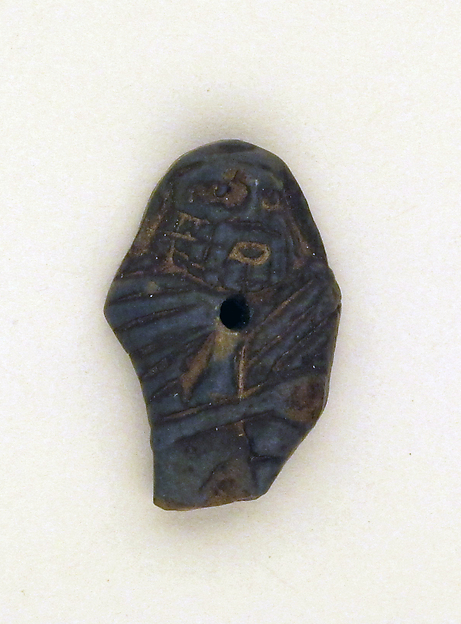
Greek and Roman Art
Amulet, figure
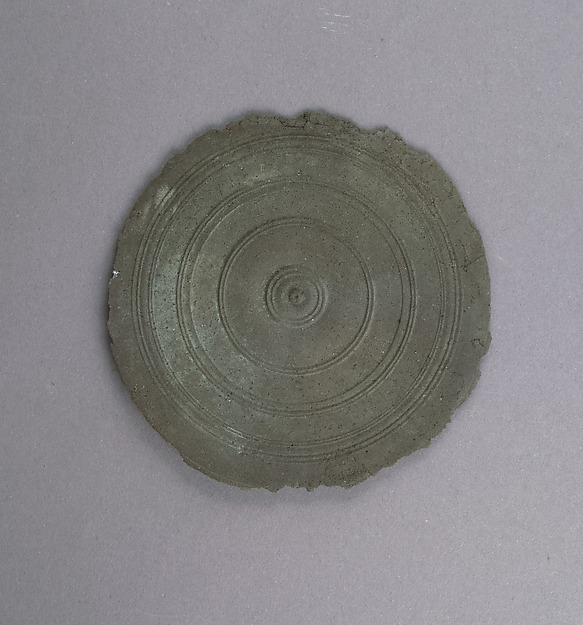
Greek and Roman Art
Amulet, figurine
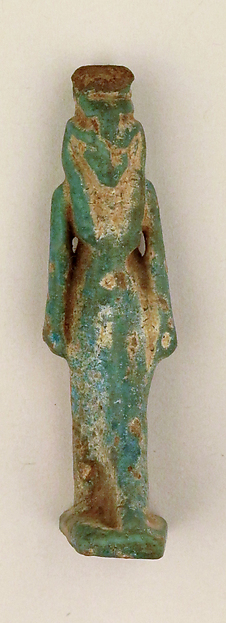
Greek and Roman Art
Amulet, Hathor
664–334 BC
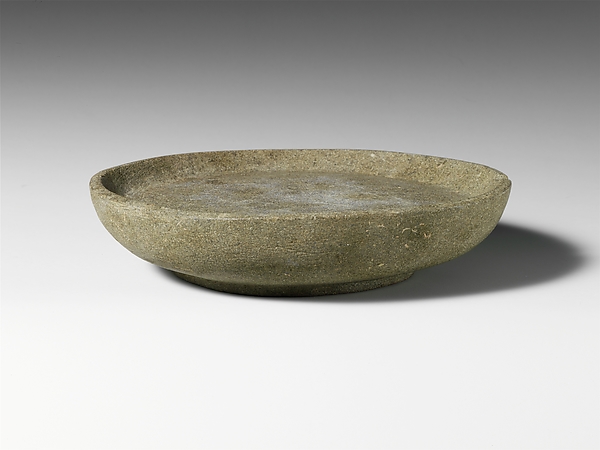
Greek and Roman Art
Andesite mortar or plate
ca. 1600–1050 BCE
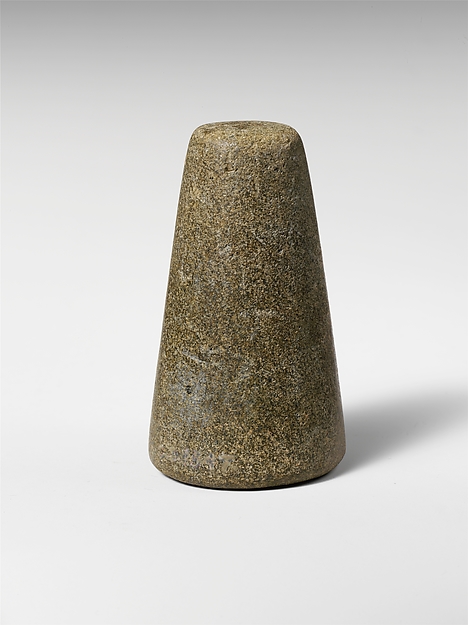
Greek and Roman Art
Andesite pestle
ca. 1600–1100 BCE
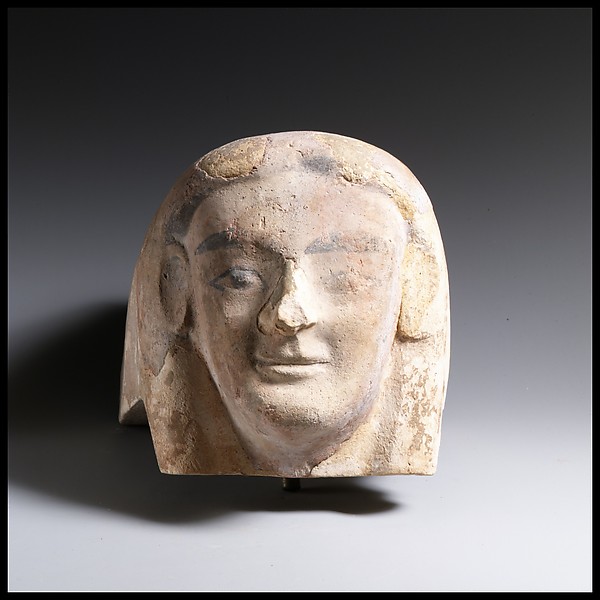
Greek and Roman Art
Antefix
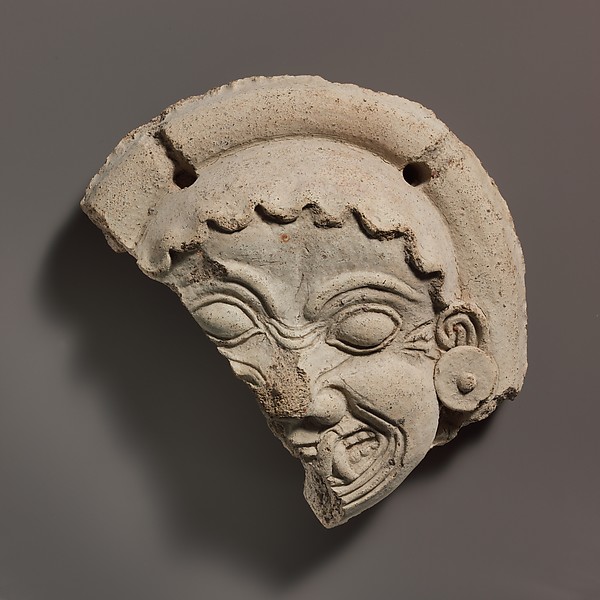
Greek and Roman Art
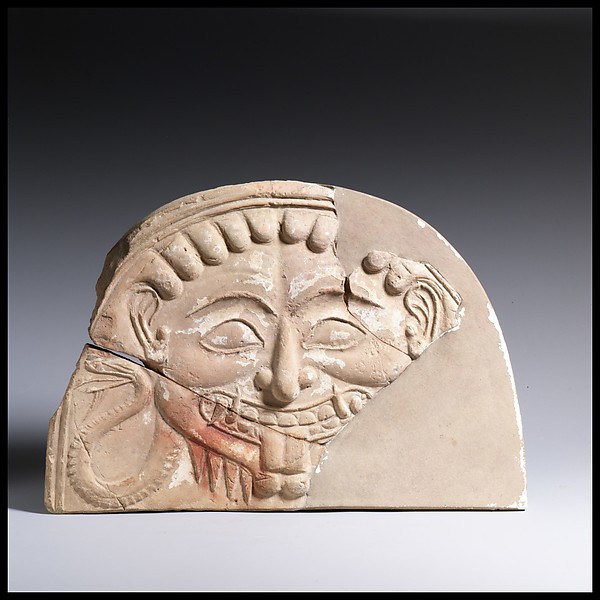
Antefix, Gorgoneion
6th–5th century BCE
Greek and Roman Art
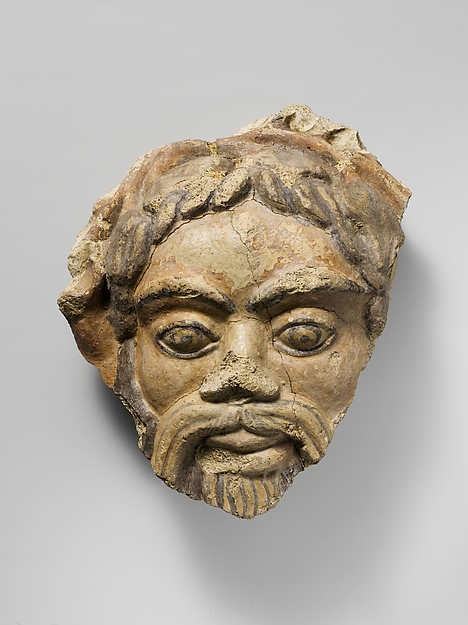
Antefix, head of Medusa
6th century BCE
Greek and Roman Art
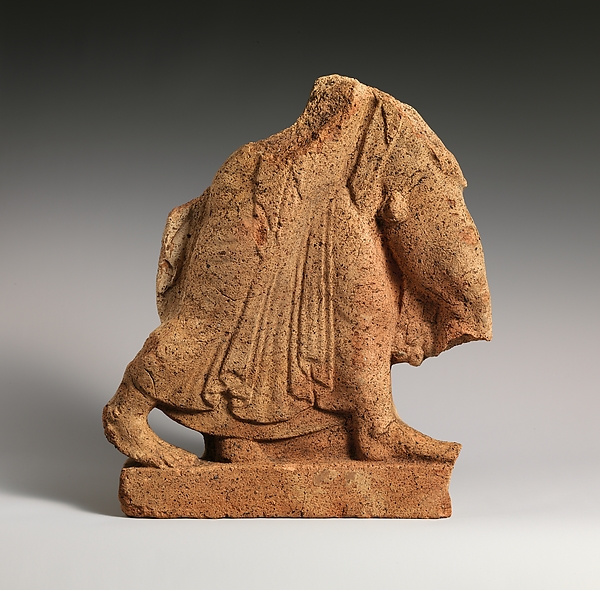
Antefix, head of satyr
5th century BCE
Greek and Roman Art
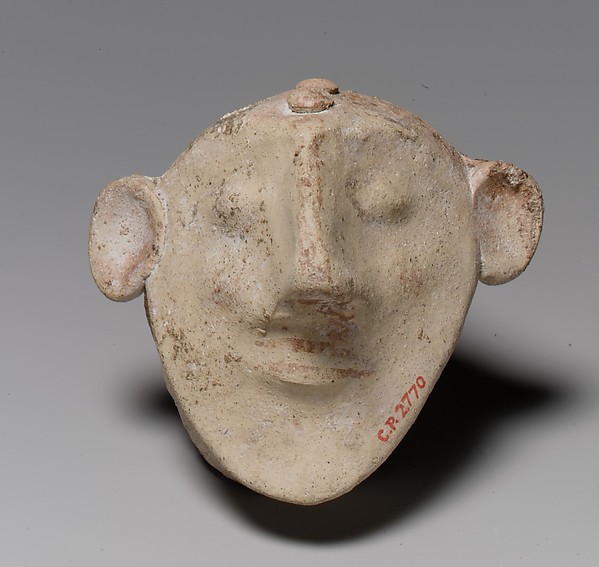
Antefix, satyr and maenad
ca. 500 BCE or later
Greek and Roman Art
Anthropomorphic mask
ca. 600–480 BCE
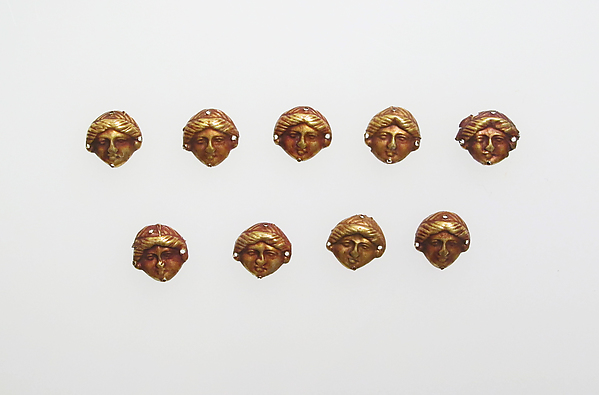
Greek and Roman Art
Appliques in the form of female head
6th–5th century BCE
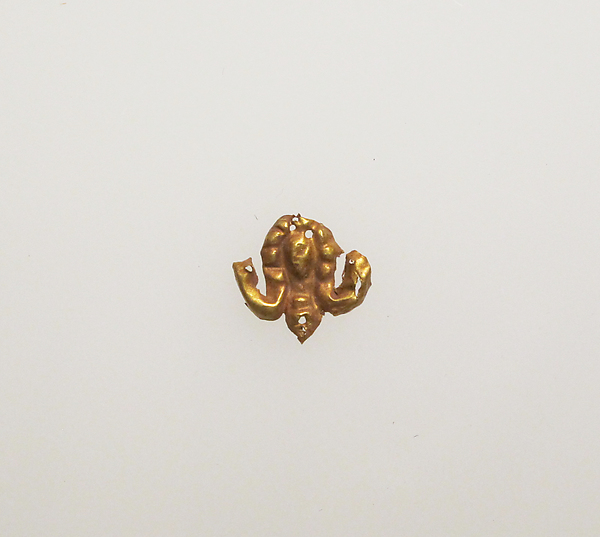
Greek and Roman Art
Appliqué
3rd century CE
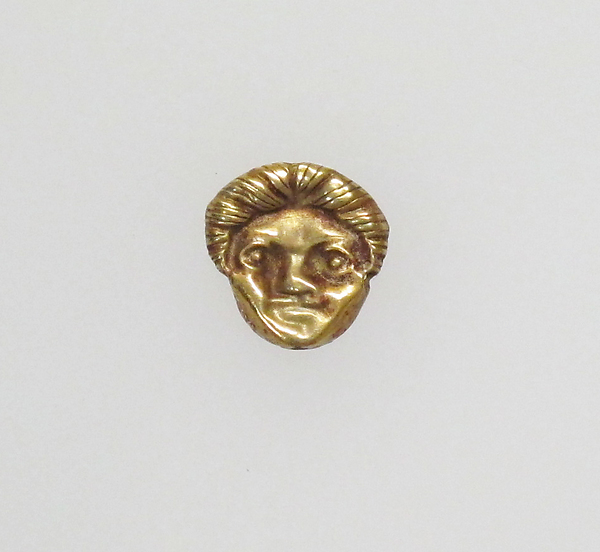
Greek and Roman Art
Appliqué in the form of a head
5th–4th century BCE
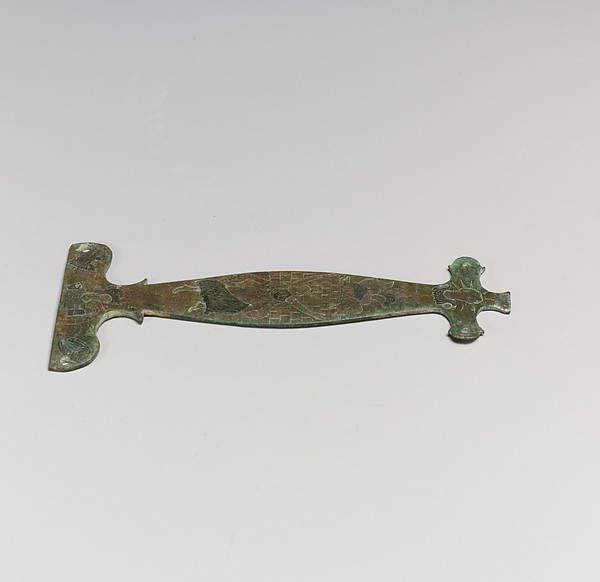
Greek and Roman Art
Appliqué with Diomedes and Andromache
4th century CE
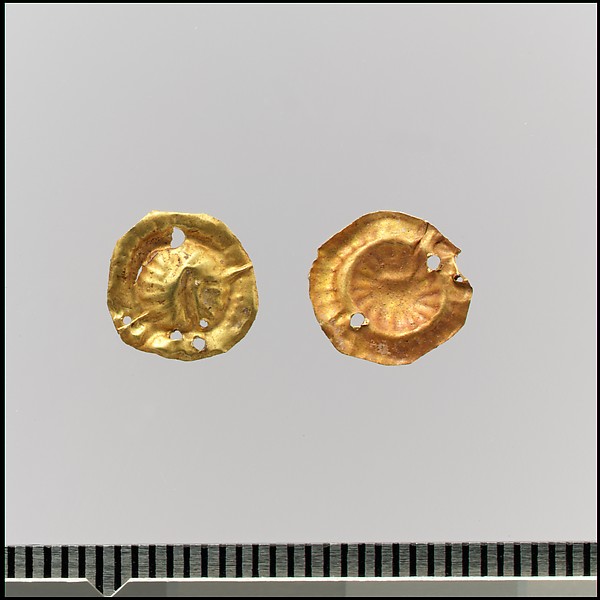
Greek and Roman Art
Appliqués, circular, 37
1st half of the 5th century CE
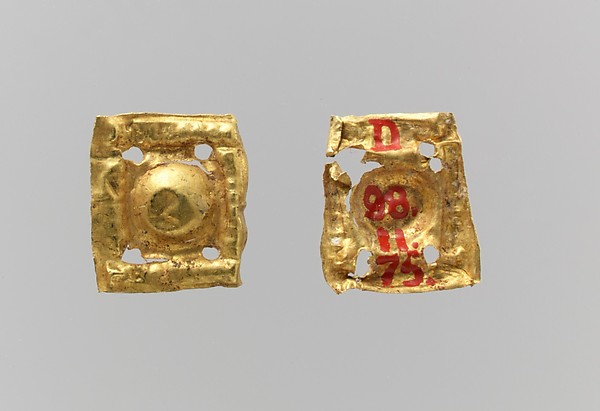
Greek and Roman Art
Appliqués, square, 7
3rd century CE
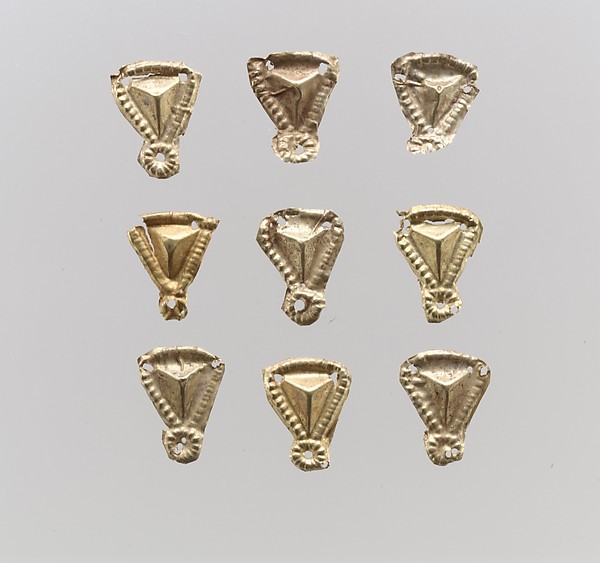
Greek and Roman Art
Appliqués, triangular, 57
1st half of the 5th century CE
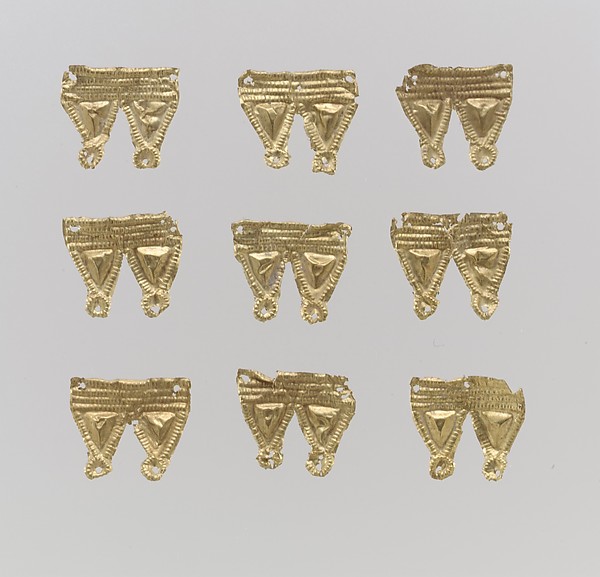
Greek and Roman Art
Appliqués, two triangles joined, 25
1st half of the 5th century CE
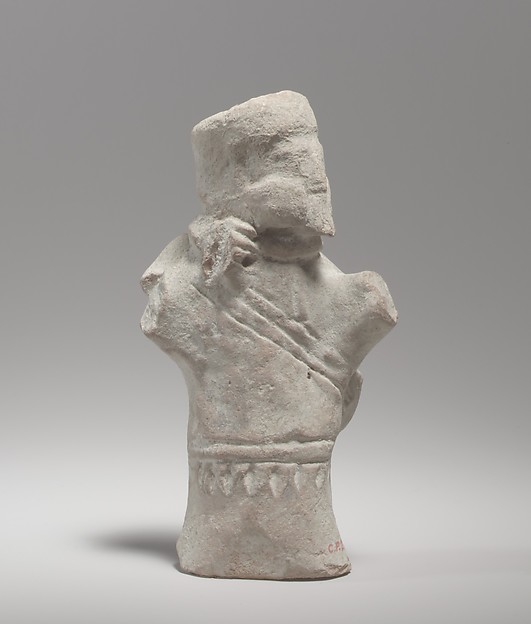
Greek and Roman Art
Archer, probably from a chariot group
ca. 750–600 BCE
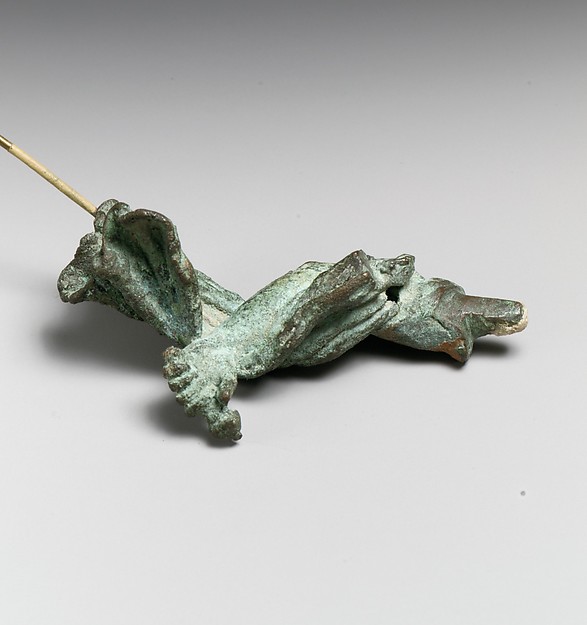
Greek and Roman Art
Arm and hand from statuette
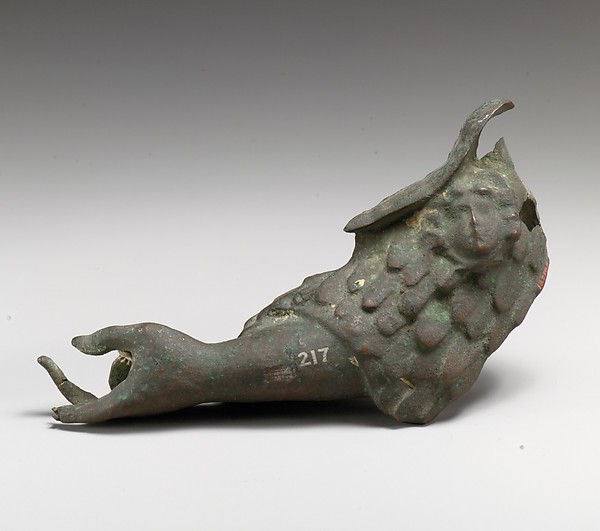
Greek and Roman Art
Arm and hand of Athena, fragment
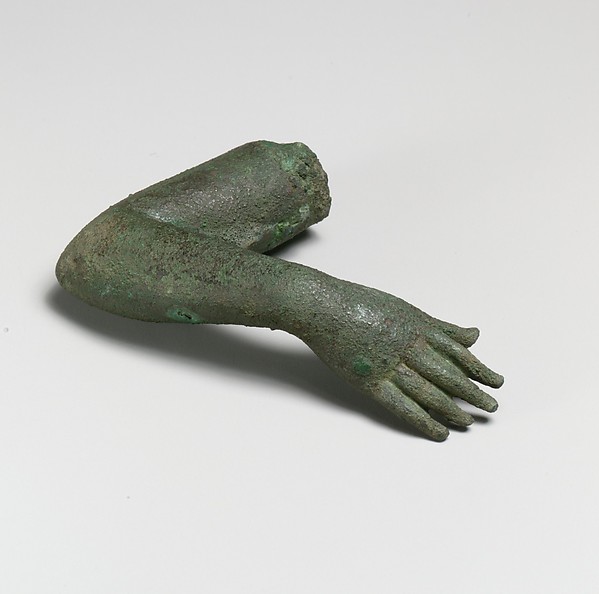
Greek and Roman Art
Arm fragment of Aphrodite
30 BCE–CE 364
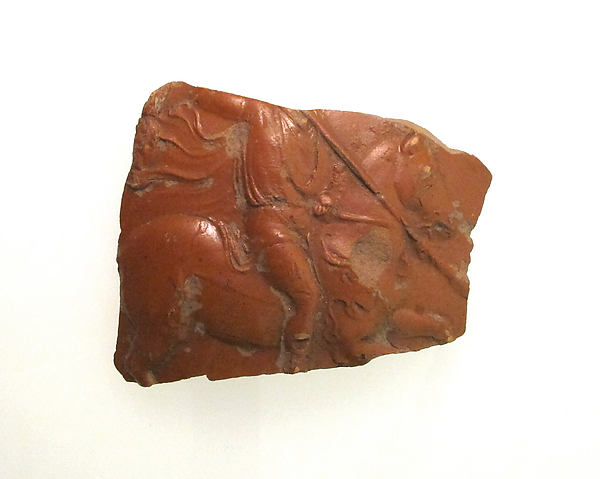
Greek and Roman Art
Arretine ware fragment
1st century BCE–1st century CE
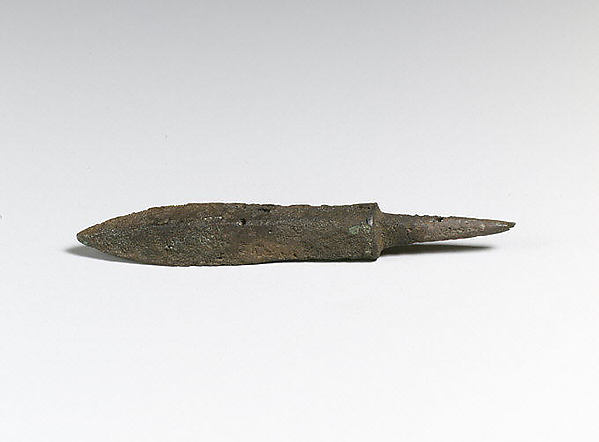
Greek and Roman Art
Arrowhead
ca. 480–330 BCE
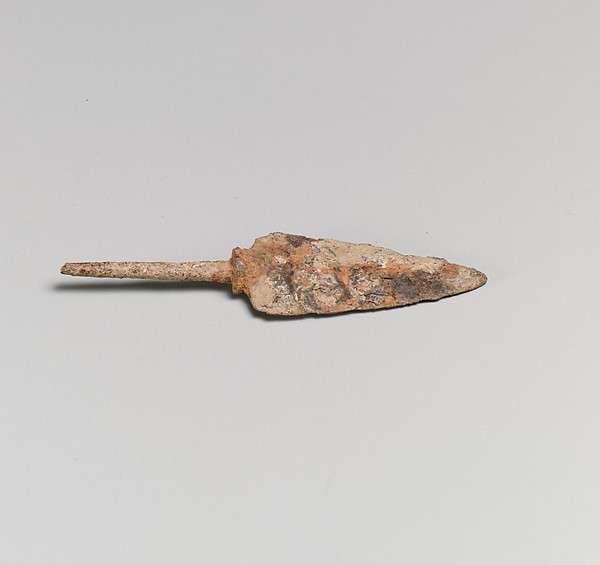
Greek and Roman Art
Arrowhead ? with tang
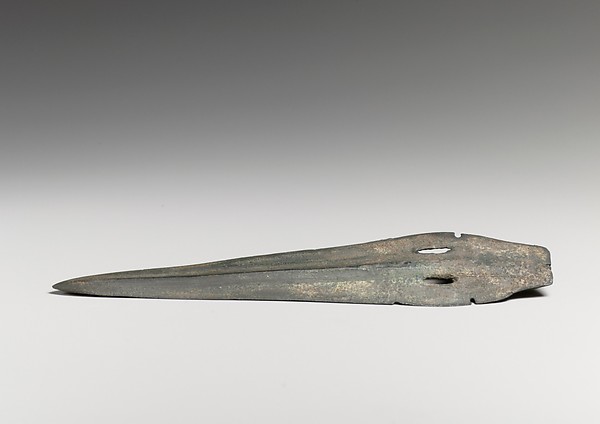
Greek and Roman Art
Arsenical copper dagger with midrib
ca. 1450–1050 BCE
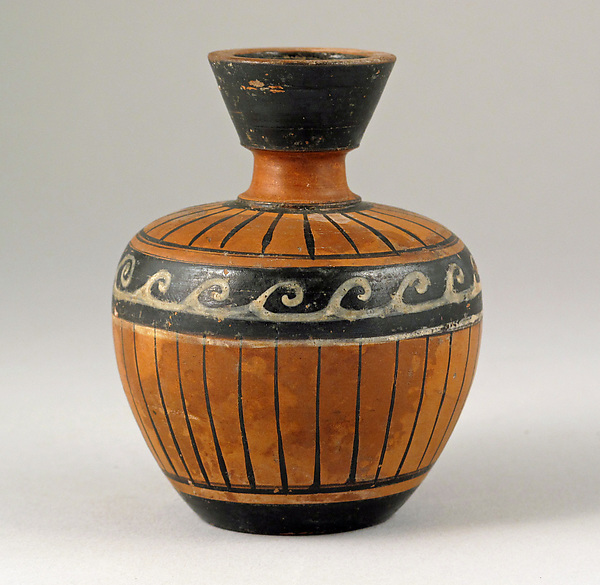
Greek and Roman Art
Aryballos
Bulas Group
early 4th century BCE
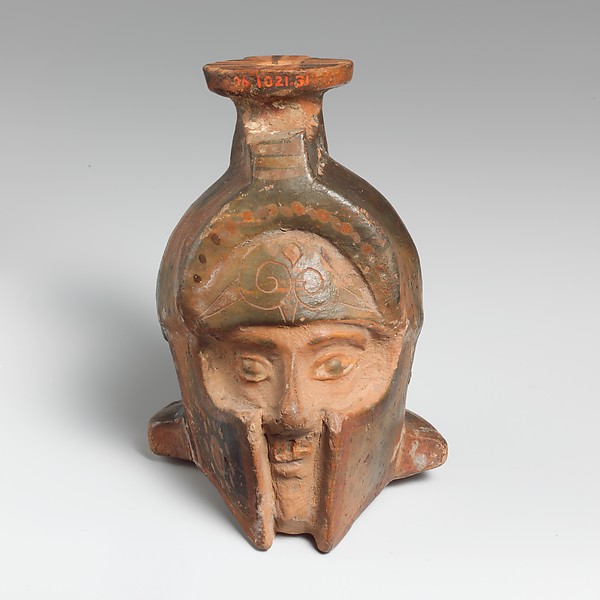
Greek and Roman Art
Aryballos (perfume flask) in the form of a helmeted head
6th century BCE
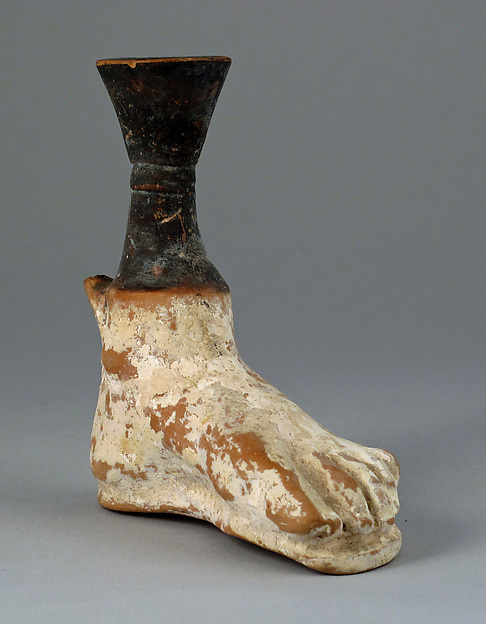
Greek and Roman Art
Aryballos in the form of a foot
ca. 400 BCE
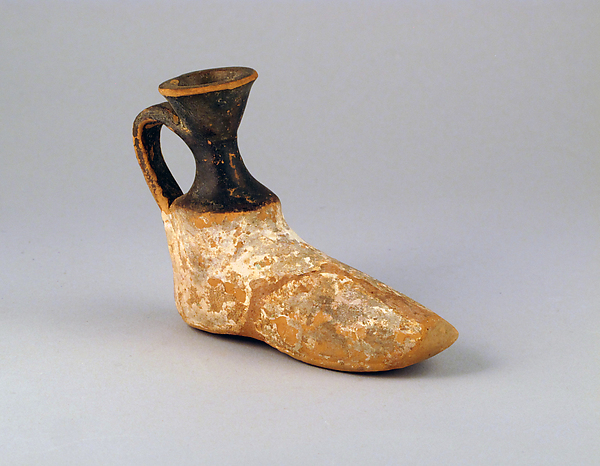
Greek and Roman Art
Aryballos in the form of a foot with shoe
4th century BCE
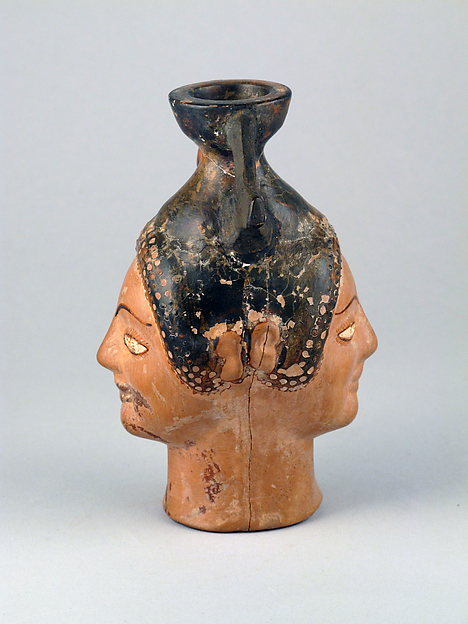
Greek and Roman Art
Aryballos in the form of two women's heads conjoined
ca. 460 BCE
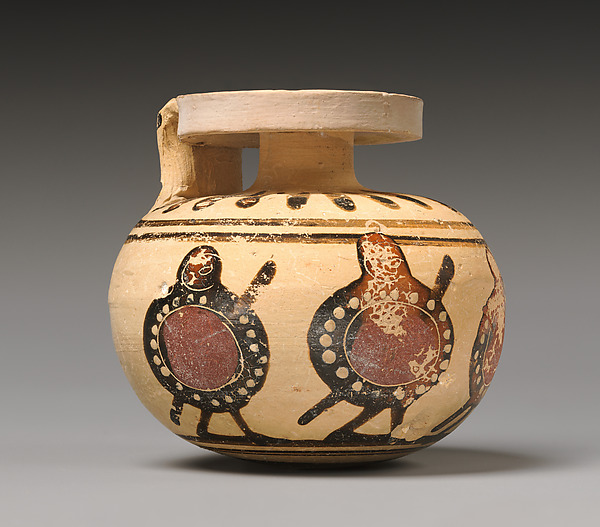
Greek and Roman Art
Aryballos with four warriors
ca. 600 BCE
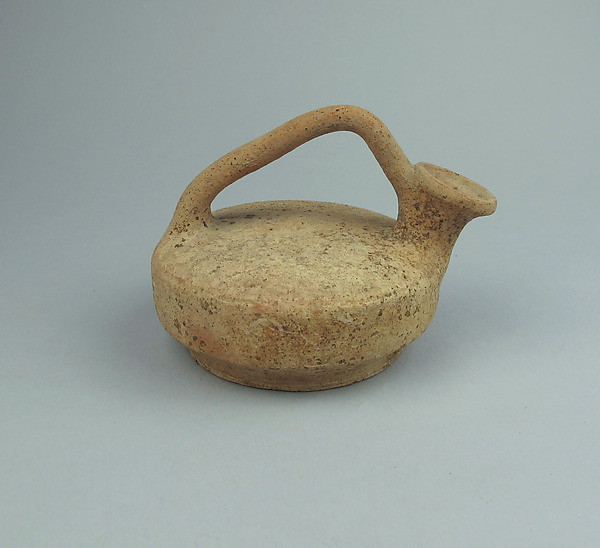
Greek and Roman Art
Askos
600–480 BCE
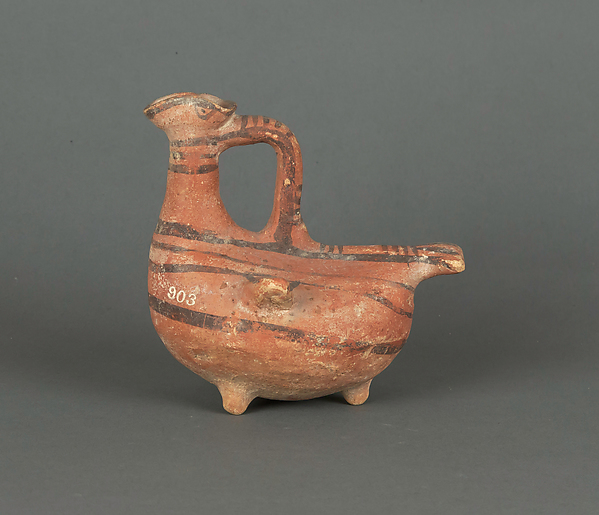
Greek and Roman Art
Askos in the form of a bird
750–600 BCE
Greek and Roman Art
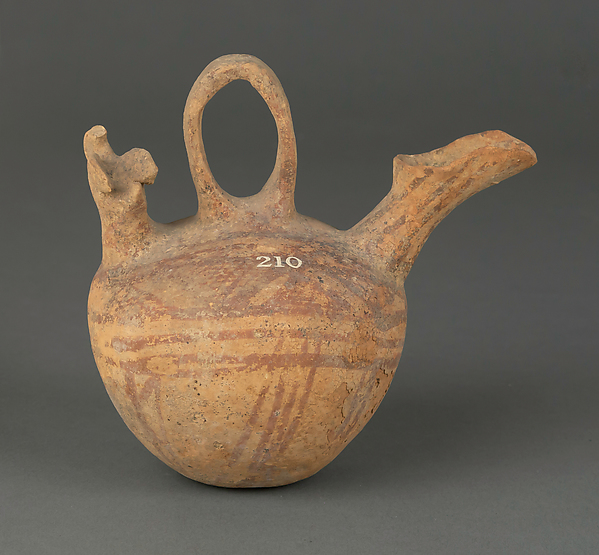
Askos in the form of an animal
1900–1600 BCE
Greek and Roman Art